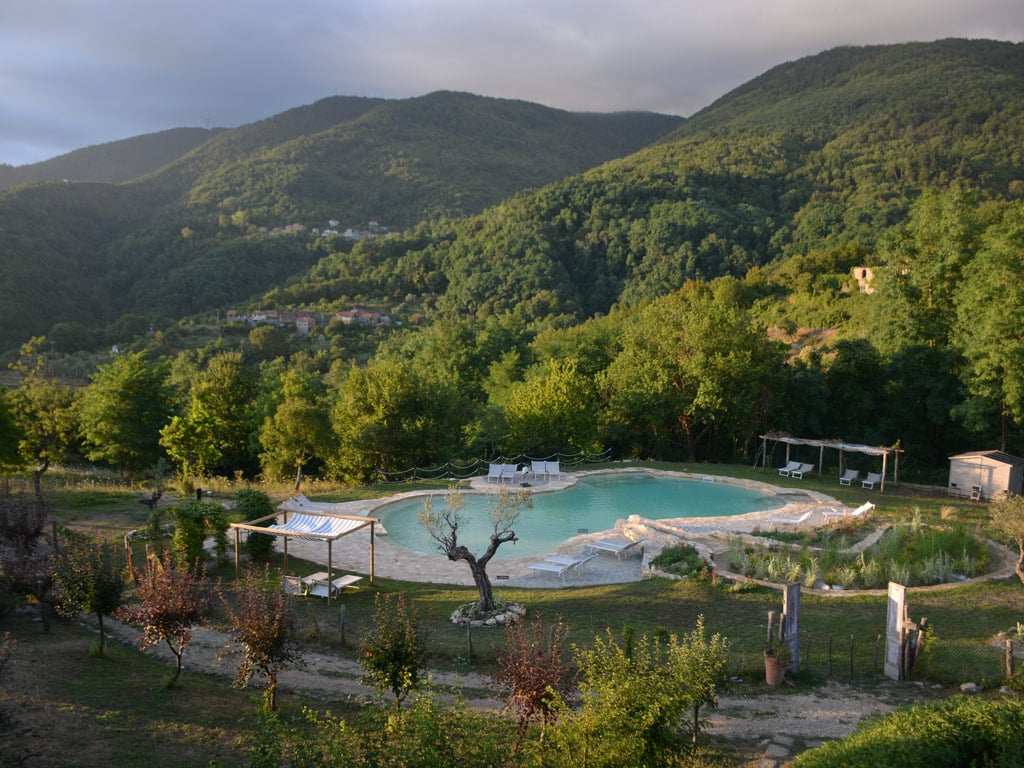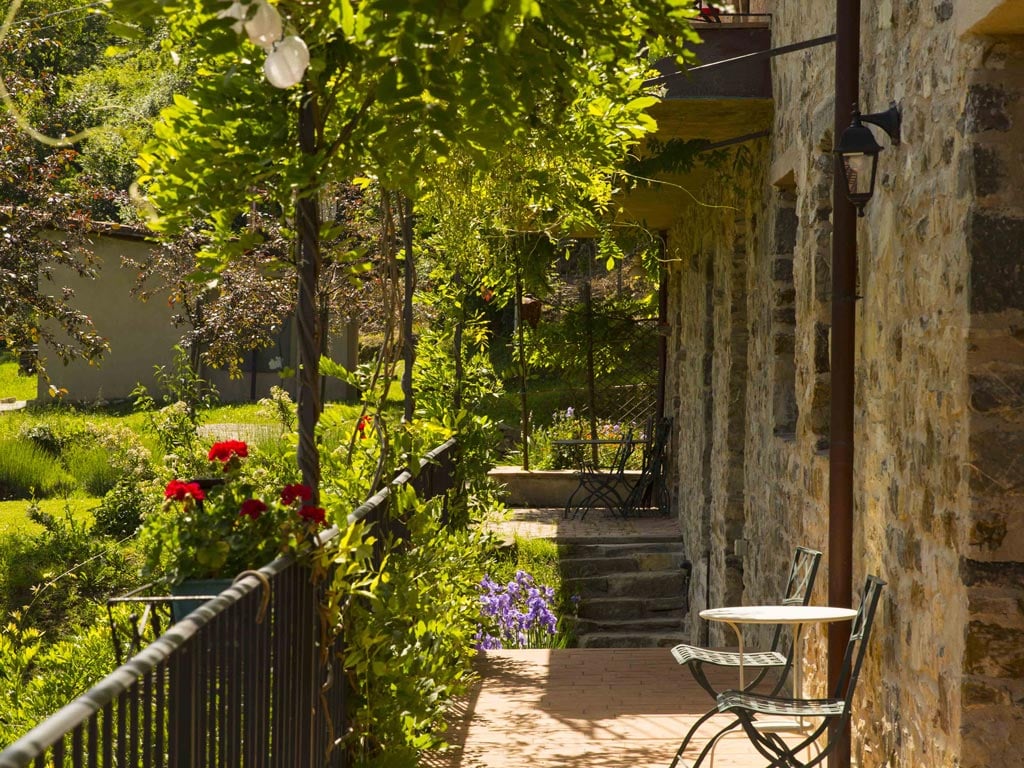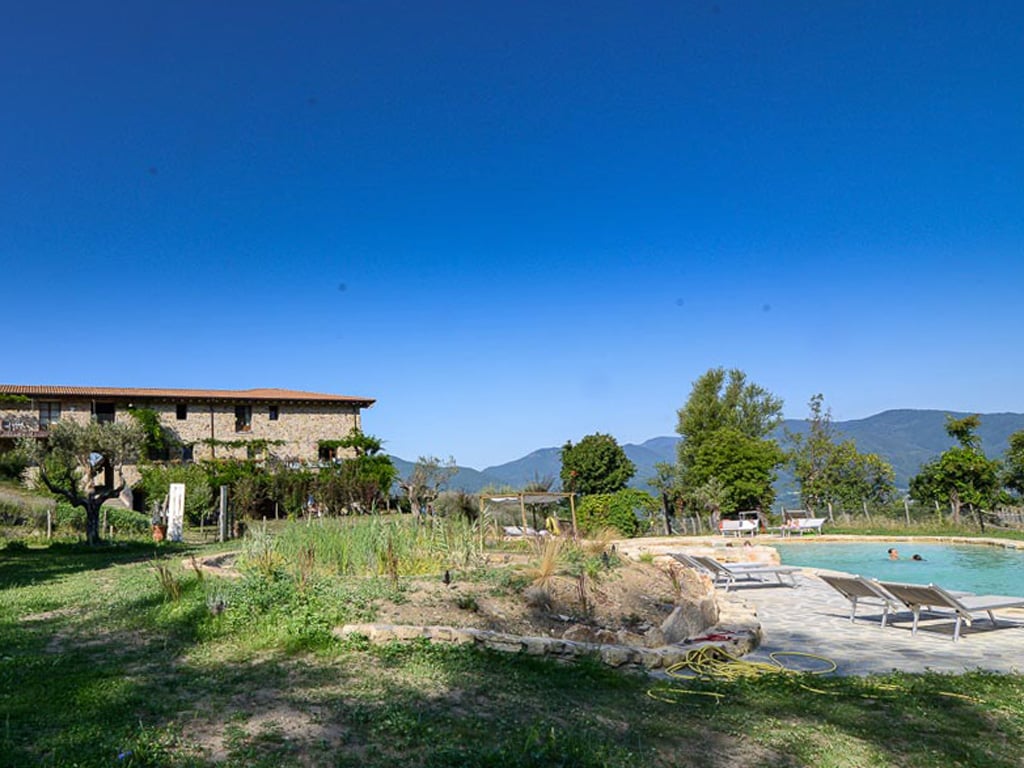
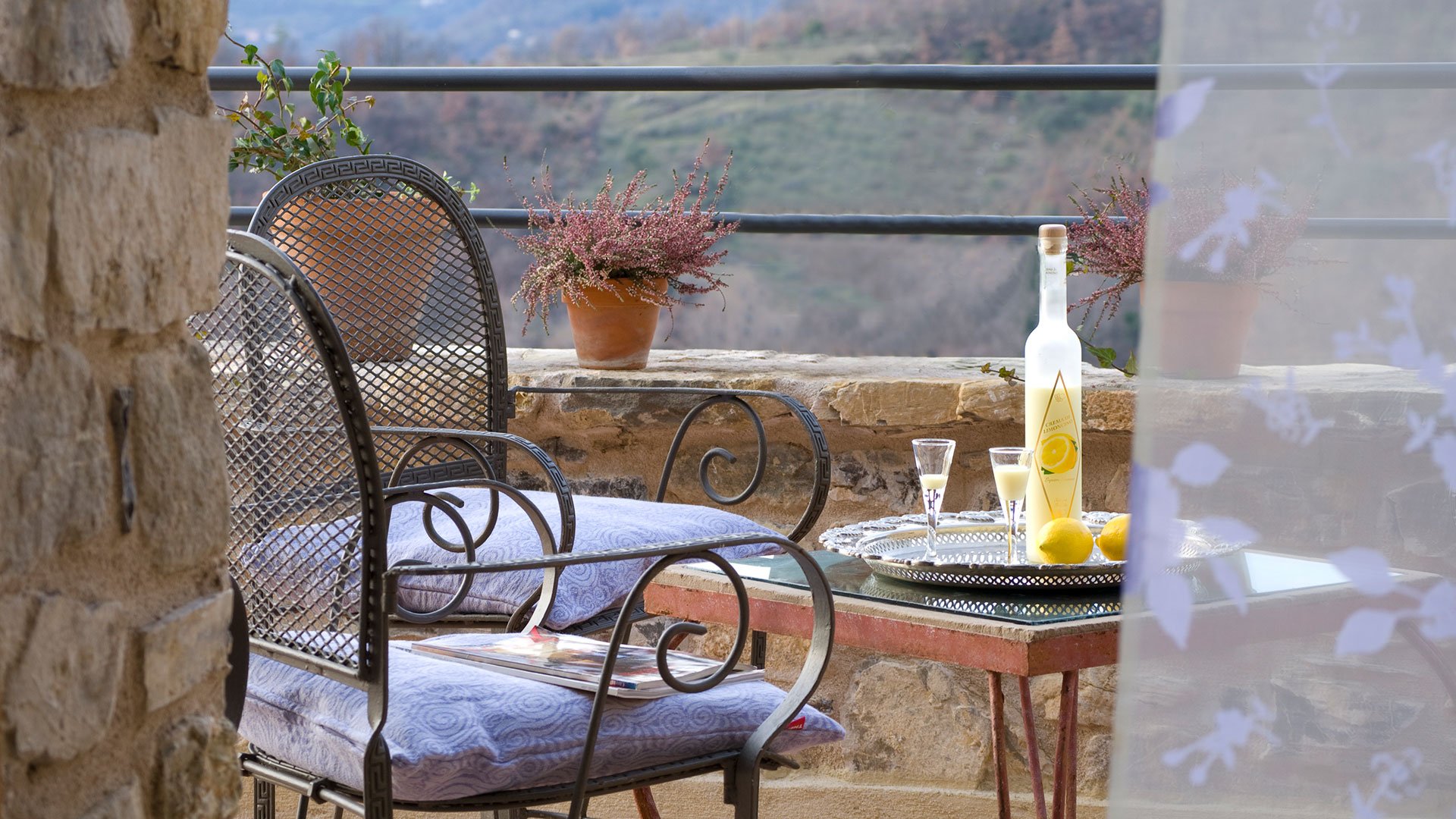
Life at Podere Conti follows the rhythms of the land rather than fixed schedules. The estate is shaped by agriculture, weather and seasonality, and each day unfolds according to what needs to be done at that moment.
What happens cannot be planned in advance. Some days are quiet, others more active. Guests are welcome, if they wish, to observe or occasionally take part in small moments of daily life — simply by being here.
There is no timetable and no guarantee. Participation is always informal and optional.
Some experiences are not something you book. They are something you notice, share and remember — shaped by the seasons, the weather and the everyday rhythms of life on the estate.

Podere Conti is first and foremost a working estate. When appropriate, guests may encounter or be invited to join in simple, everyday activities such as:
• collecting eggs in the morning
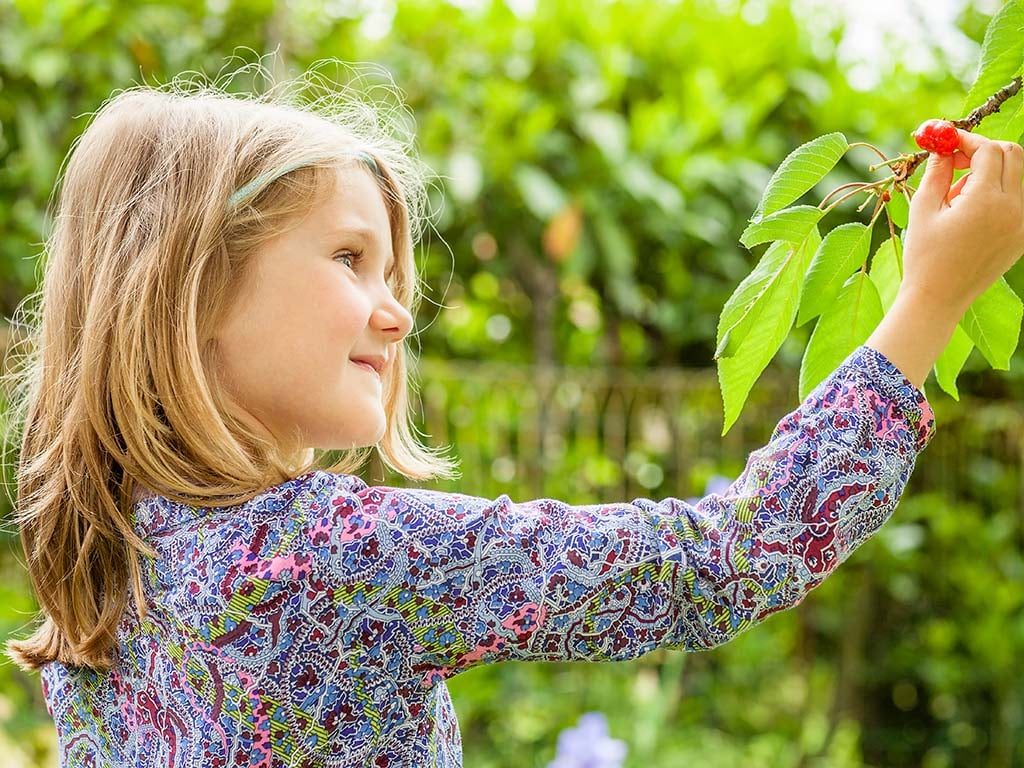
• harvesting fruit, wild berries or seasonal produce
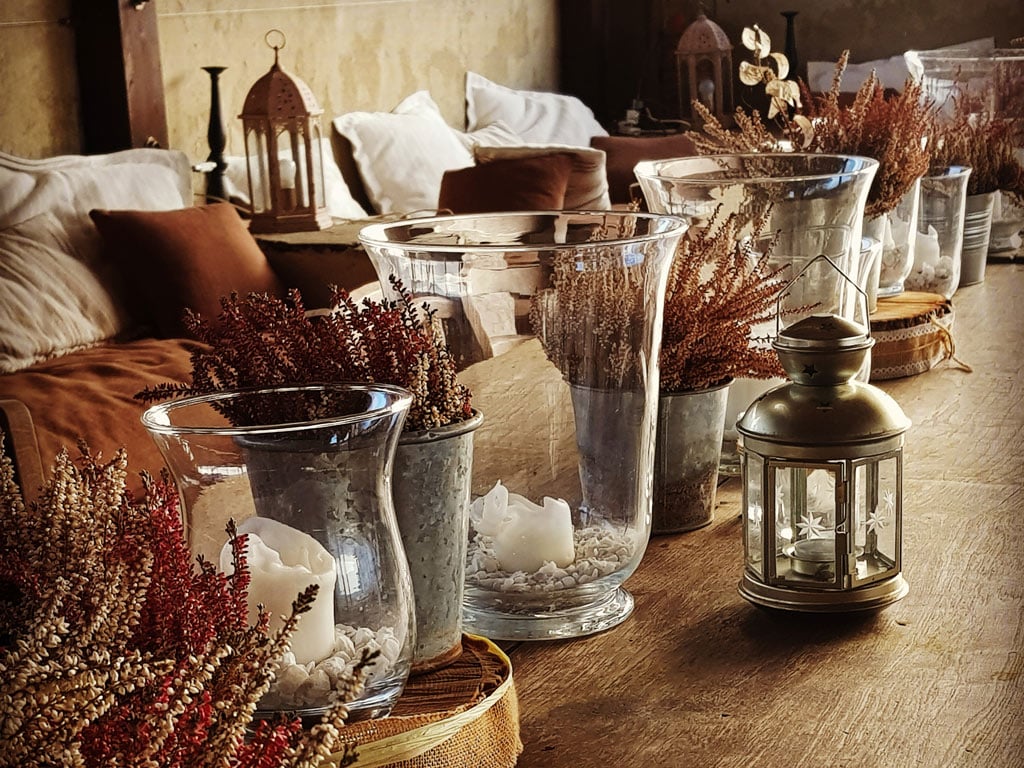
• gathering wild flowers and herbs for drying, simple arrangements or use in the restaurant kitchen
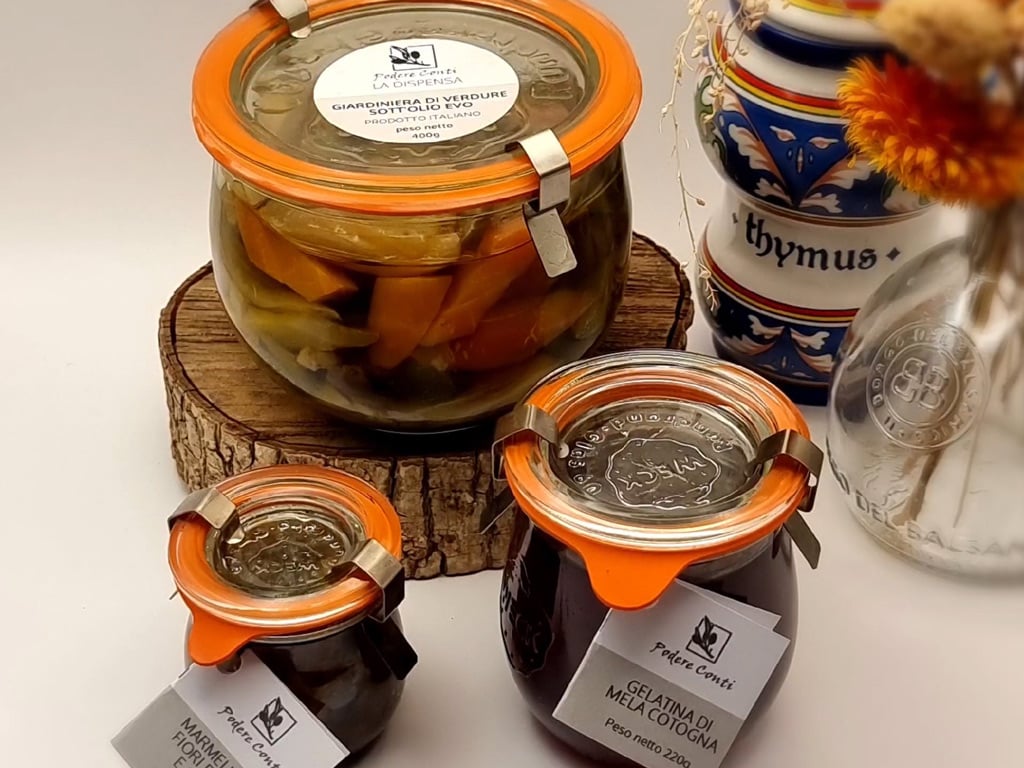
• preparing simple preserves from what has been gathered
• walking the land with those who care for it
• taking part in seasonal moments such as olive harvesting or pruning
• learning about beekeeping and honey production during periods when nomadic beekeepers are present on the estate
These moments arise naturally from the work of the day. They are not organised activities, and they may not happen at all during a stay.
For children in particular, these simple encounters often become the most memorable part of being here.
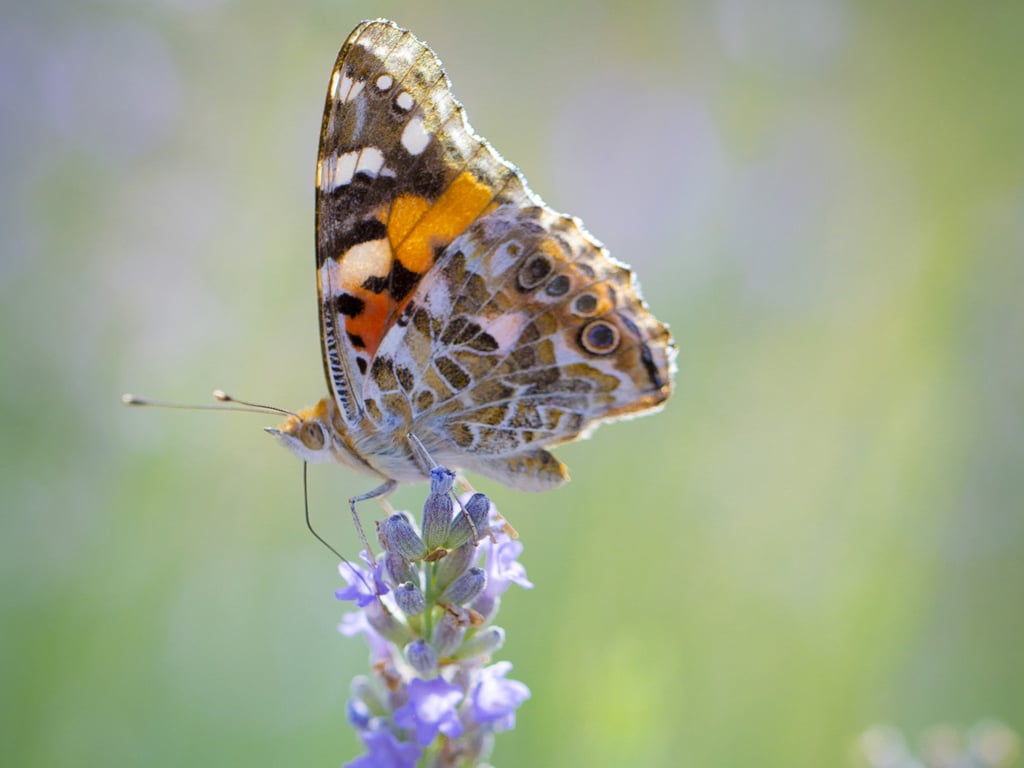
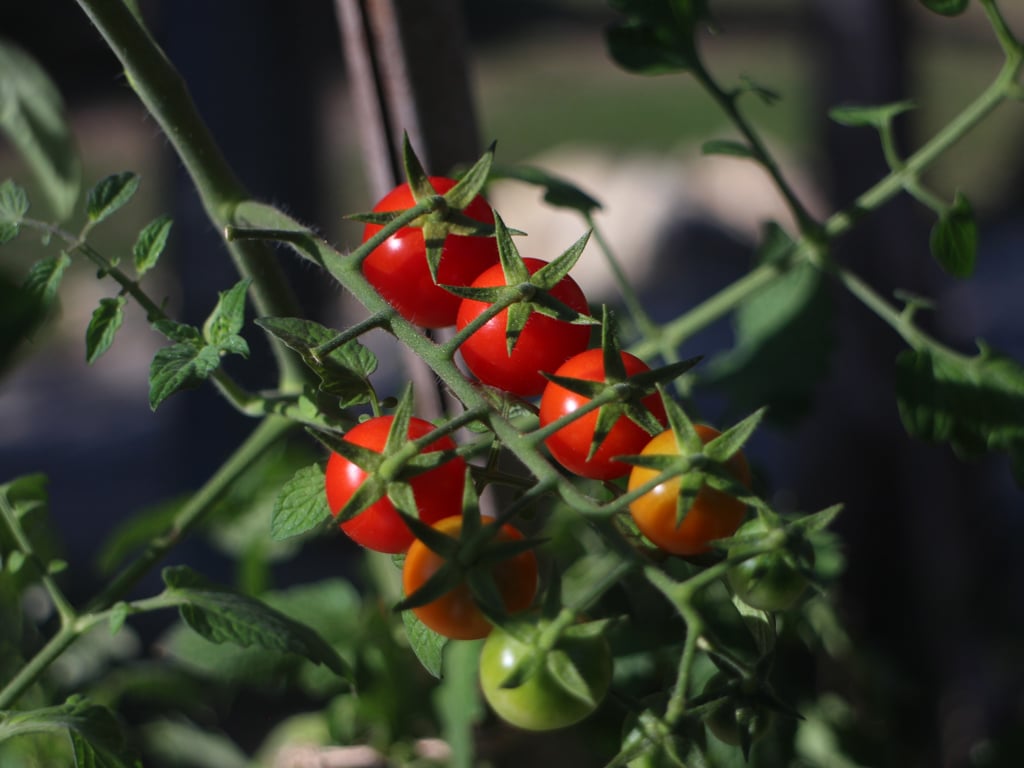
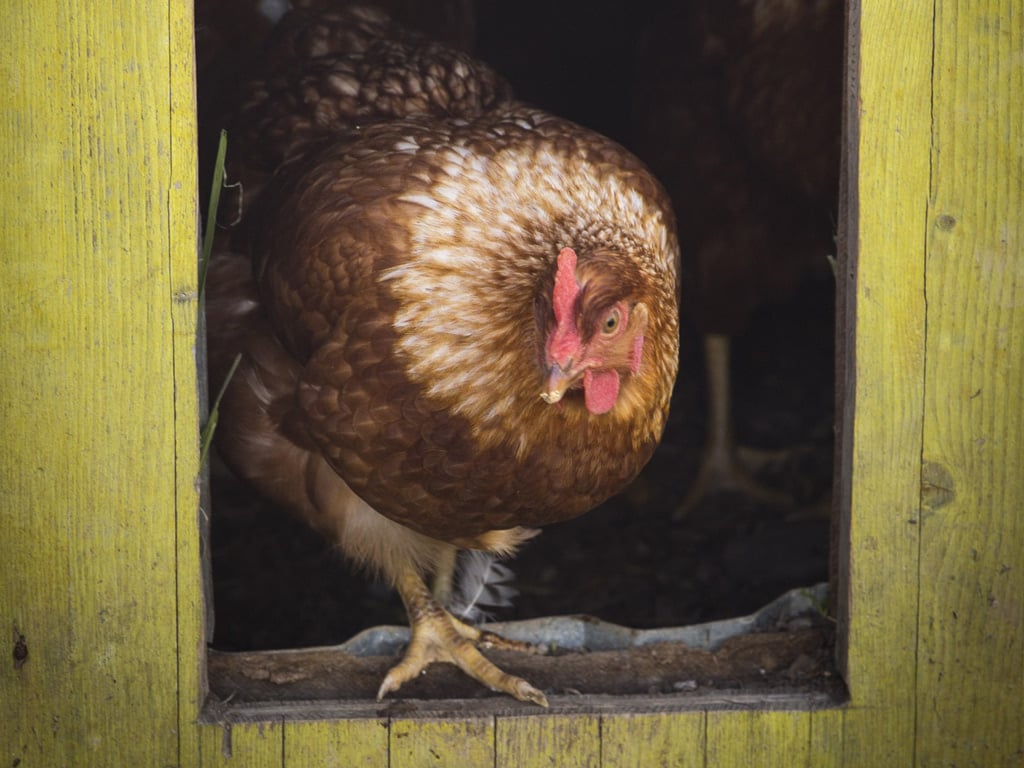
Seasonality shapes everything at Podere Conti.
Spring brings growth and renewal, summer long days and outdoor work, autumn harvests and preparation, winter a slower pace focused on maintenance and care. Weather plays an equally important role, often determining what can — and cannot — be done.
Guests quickly discover that life here does not bend to expectation. Instead, it invites attentiveness, flexibility and a different relationship with time.

Life on the estate is not about instruction or performance. There are no lessons, no objectives and no outcomes to achieve.
Understanding comes through observation, conversation and shared moments — watching how tasks are approached, how decisions are made, and how the land is read and respected.
This quiet form of learning is often the most lasting.
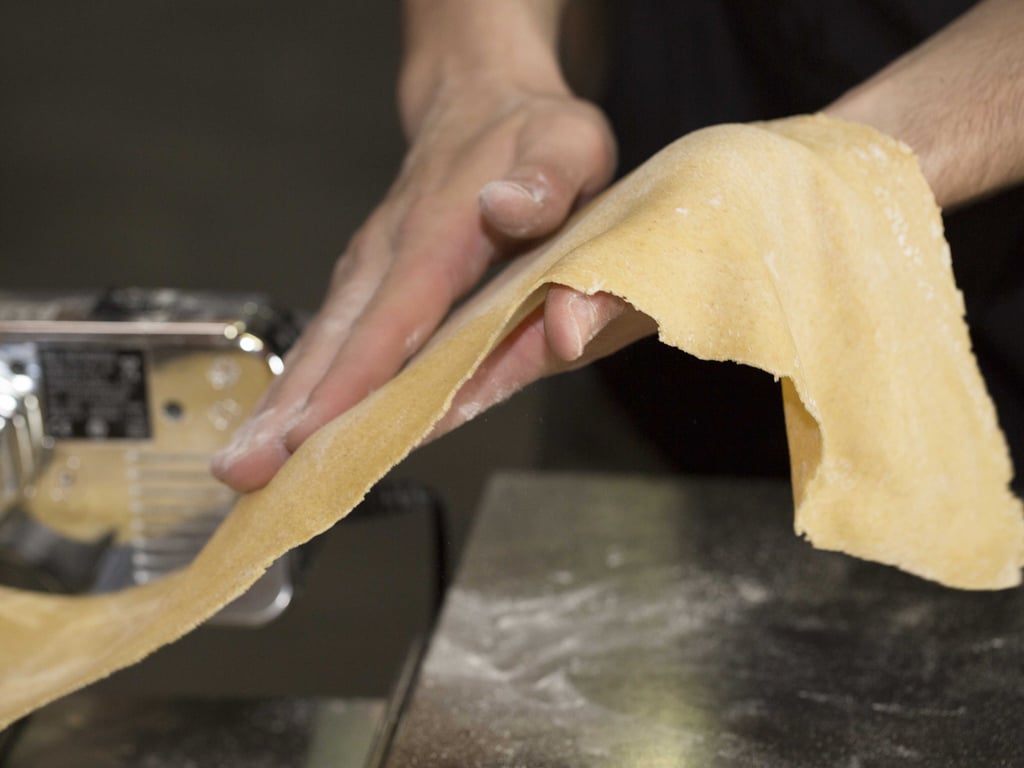
For families, life on the estate offers space, freedom and gentle engagement with nature.
Children are welcome to explore, observe animals, follow what is happening around them and take part when appropriate. These experiences are simple and unscripted, allowing curiosity to lead rather than structure.


Life on the estate is not an experience programme.
There may be days when nothing happens beyond the ordinary. There may be days shaped entirely by weather, workload or rest. Guests are never expected to take part, and nothing is promised in advance.
What is offered is access — to place, to rhythm and to a way of living shaped by the land.